
British Artists at home and abroad:
finding a marketplace
In the first half of the 18th century European countries were at war. Britain stayed well away, consolidated its democracy and aesthetically tried to catch up with its continental neighbours. London was the honeypot and the most able provincial artists came to work there to compete with those that were already established in the capital. Later on, success led to a need to satisfy the market for luxury goods and for raw materials. Spices, cotton, labour and much else were needed to meet the demand and pressures between competing European powers resulted in conflict at sea and on land. This brought considerable wealth to the country and architecture, painting and sculpture flourished.
Artistic activity was regularised with the creation of the Royal Academy and the opportunity of displaying artists works in one room brought a competitive spirit to artistic endeavours. Artists from Scotland, Ireland and Wales made an impact on the London art scene and artists began to specialise. For example, theatrical portraits helped publicise the thriving theatre, sporting painting was in vogue and reached extraordinary heights of realism, and many an eighteenth-century image was reproduced in print providing another income source and ensuring that artists’ work was better known.
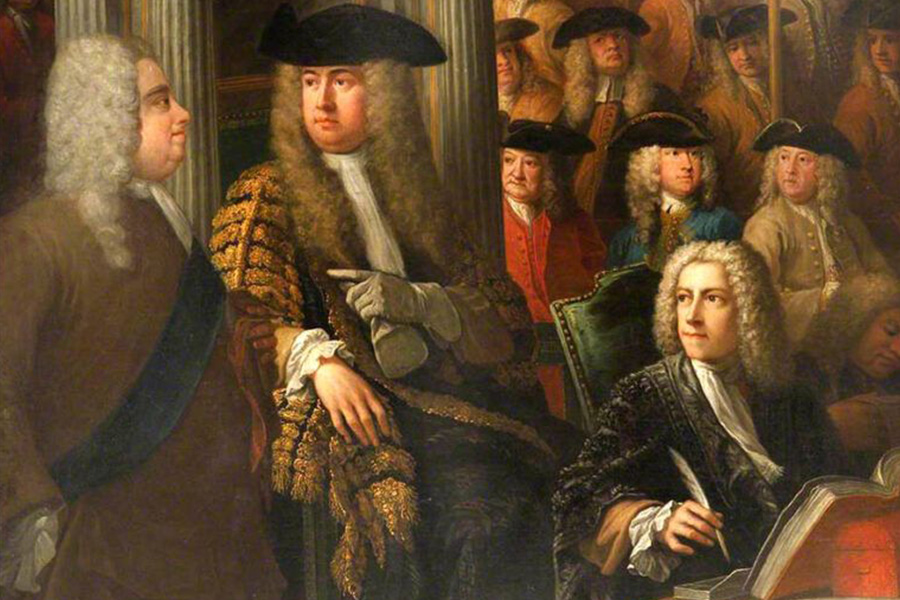
Lecture 1
Historical Background
Lavenham Village Hall on Wednesday 23 October at 11am
Ipswich County Library on Monday, 23 October at 2.30pm
Friends’ Meeting House, Great Bardfield on Tuesday, 22 October at 10.30 am
Baptist Chapel, Saffron Walden on Tuesday, 22 October at 2.30pm
Church Hall, Aldeburgh on Friday, 25 October at 10.45am
The first half of the century was peaceful and introspective with interesting developments in democratic government. The taming of the Scots and the following fifty years was stained with battles between rival powers in Europe, and British conflict in America and India. At the same time a developing infrastructure provided the background to a progressive shift from agriculture to industrialisation.
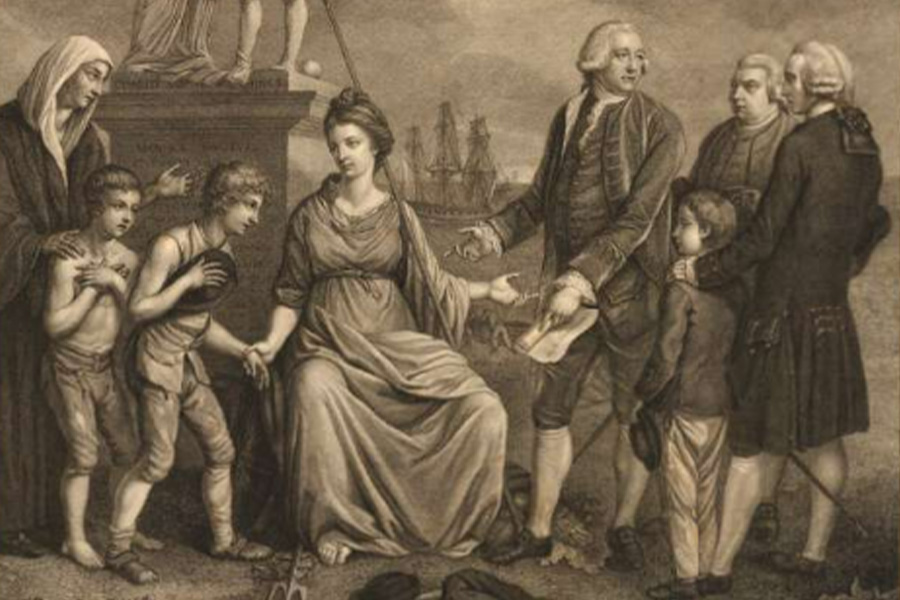
Lecture 2
Art for Charities
Lavenham Village Hall on Monday, 28 October at 11am
Ipswich County Library on Monday, 28 October at 2.30pm
Friends’ Meeting House, Great Bardfield on Tuesday, 29 October at 10.30 am
Baptist Chapel, Saffron Walden on Tuesday, 29 October at 2.30pm
Church Hall, Aldeburgh on Friday, 1 November at 10.45am
With concern for London’s orphan children a childless sea captain, Thomas Coram, created the Foundling Hospital and it became one of the most fashionable charities in London. William Hogarth and Georg Frederic Handel were quick to realise that this new space provided an opportunity for contemporary artists to showcase their work and that encouraged other corporate groups to use similar tactics.
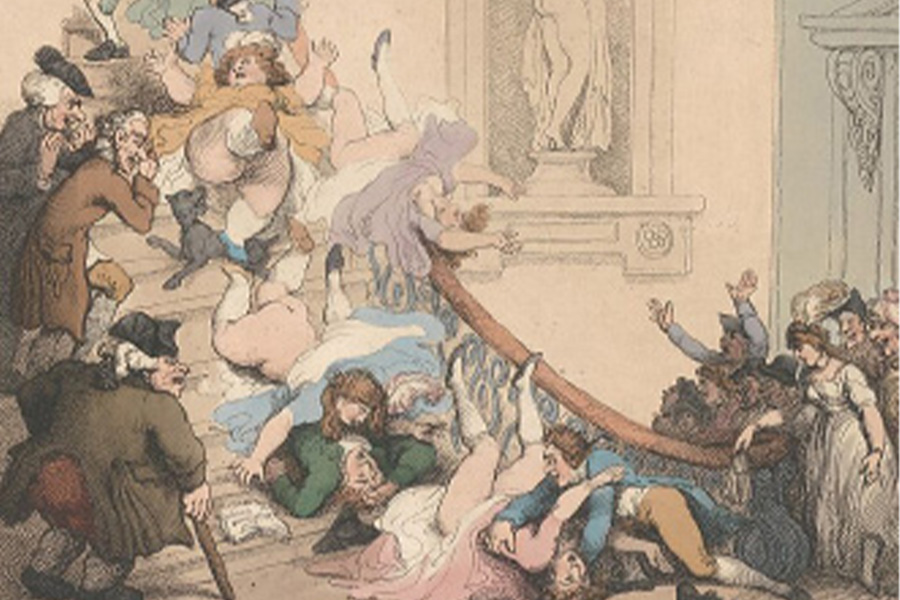
Lecture 3
The Exhibition
Lavenham Village Hall on Monday, 4 November at 11am
Ipswich County Library on Monday, 4 November at 2.30pm
Friends’ Meeting House, Great Bardfield on Tuesday, 5 November at 10.30 am
Baptist Chapel, Saffron Walden on Tuesday, 5 November at 2.30pm
Church Hall, Aldeburgh on Friday, 8 November at 10.45am
The Society of Artists began holding an annual exhibition of paintings in 1761. Just eight years later the baton passed to the Royal Academy, governed by a Royal Charter. It provided teaching, membership and a competitive annual exhibition. It was modeled on the French equivalent, founded in 1648, and under its first president, Sir Joshua Reynolds, it adopted similar priorities of taste.
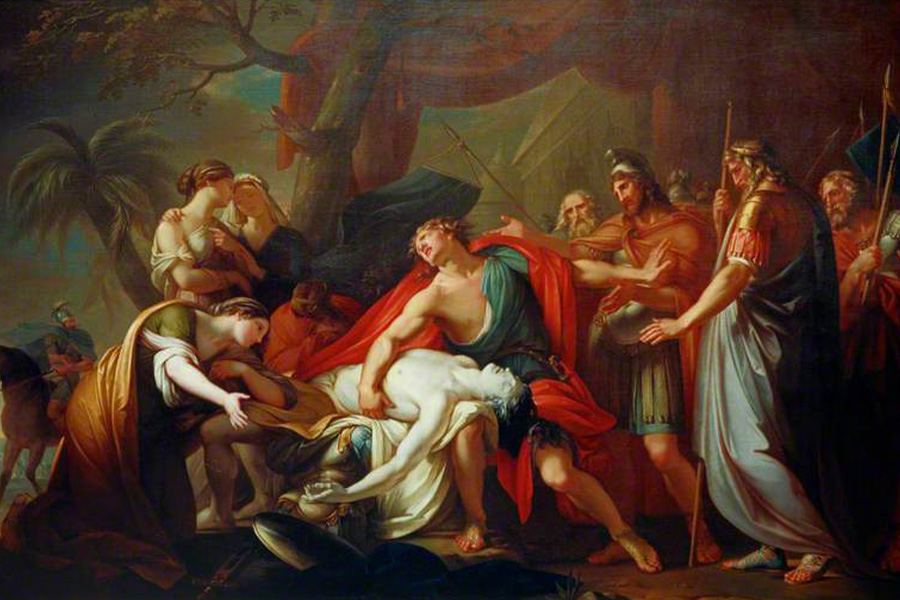
Lecture 4
History Painting
Lavenham Village Hall on Monday, 18 November at 11am
Ipswich County Library on Monday, 18 November at 2.30pm
Friends’ Meeting House, Great Bardfield on Tuesday, 19 November at 10.30 am
Baptist Chapel, Saffron Walden on Tuesday, 19 November at 2.30pm
Church Hall, Aldeburgh on Friday, 15 November at 10.45am
History Painting was considered to be the noblest genre for painting and sculpture, but in Britain there were few patrons who shared this interest. Some artists were uncompromising, such as James Barry and Gavin Hamilton, but others adapted the demand for portraits with a classical approach producing a compromising hybrid.
Lecture 5
The Welsh Contribution
Lavenham Village Hall on Monday, 25 November at 11am
Ipswich County Library on Monday, 25 November at 2.30pm
Friends’ Meeting House, Great Bardfield on Tuesday, 26 November at 10.30 am
Baptist Chapel, Saffron Walden on Tuesday, 26 November at 2.30pm
Church Hall, Aldeburgh on Friday, 29 November at 10.45am
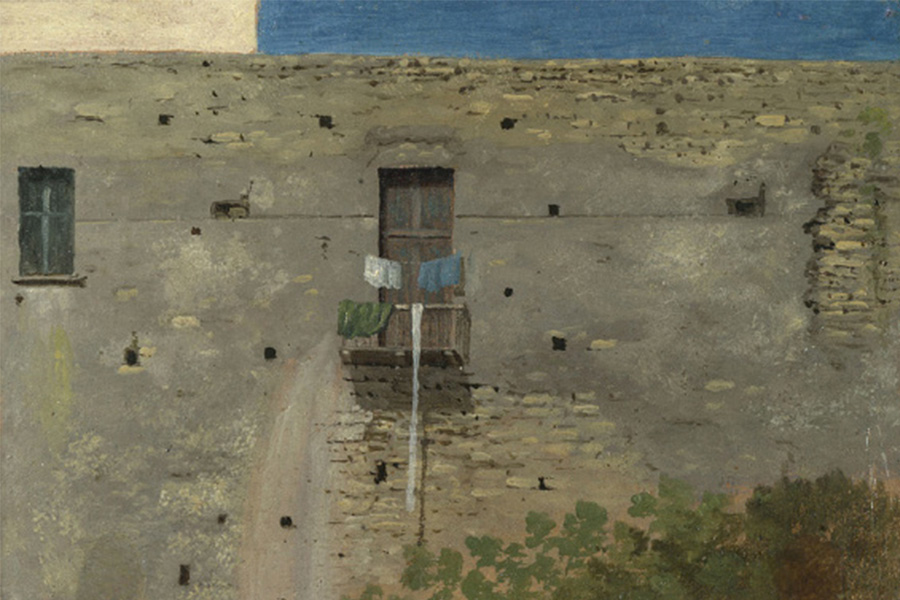
Two artists, both born in Wales made major contributions to landscape painting. Both were inspired by their visits to Italy. Richard Wilson was in Rome between 1751 and 1757 and his pupil, Thomas Jones, a Welsh landowner, also visited Italy in the early 1780s where he produced remarkable naturalistic views of buildings in Naples.
Lecture 6
The Scottish Contribution
Lavenham Village Hall on Monday, 2 December at 11am
Ipswich County Library on Monday, 2 December at 2.30pm
Friends’ Meeting House, Great Bardfield on Tuesday, 3 December at 10.30 am
Baptist Chapel, Saffron Walden on Tuesday, 3 December at 2.30pm
Church Hall, Aldeburgh on Friday, 6 December at 10.45am
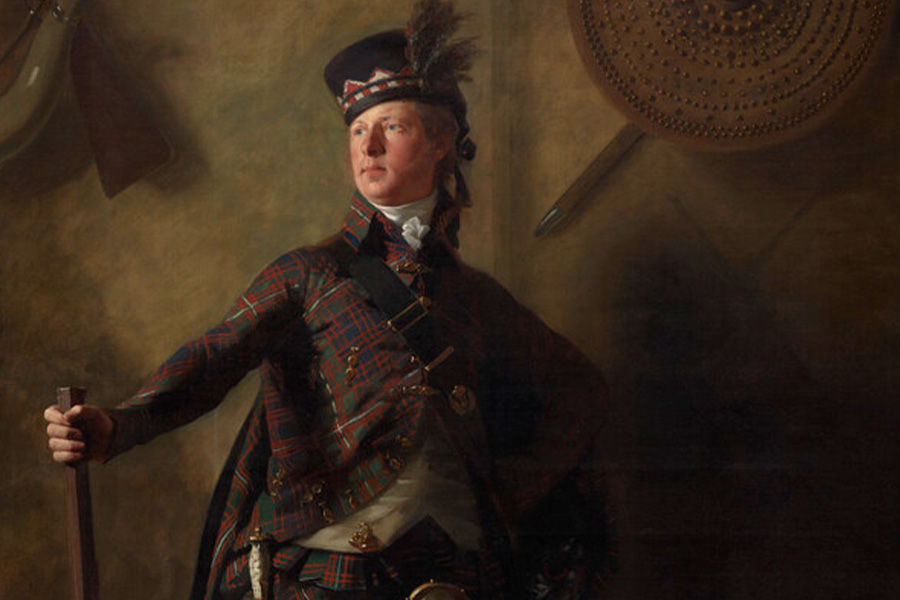
After the Union between Scotland and England in 1707, the artistic community not only served Scottish patrons but some, like Allan Ramsay, travelled to London. Other artists whose reputation deserves better recognition include David Allan, Alexander Nasmyth and Sir Henry Raeburn.
Lecture 7
The Irish Contribution
Lavenham Village Hall on Monday, 20 January at 11am
Ipswich County Library on Monday, 20 January at 2.30pm
Friends’ Meeting House, Great Bardfield on Tuesday, 21 January at 10.30 am
Baptist Chapel, Saffron Walden on Tuesday, 21 January at 2.30pm
Church Hall, Aldeburgh on Friday, 31 January at 10.45am
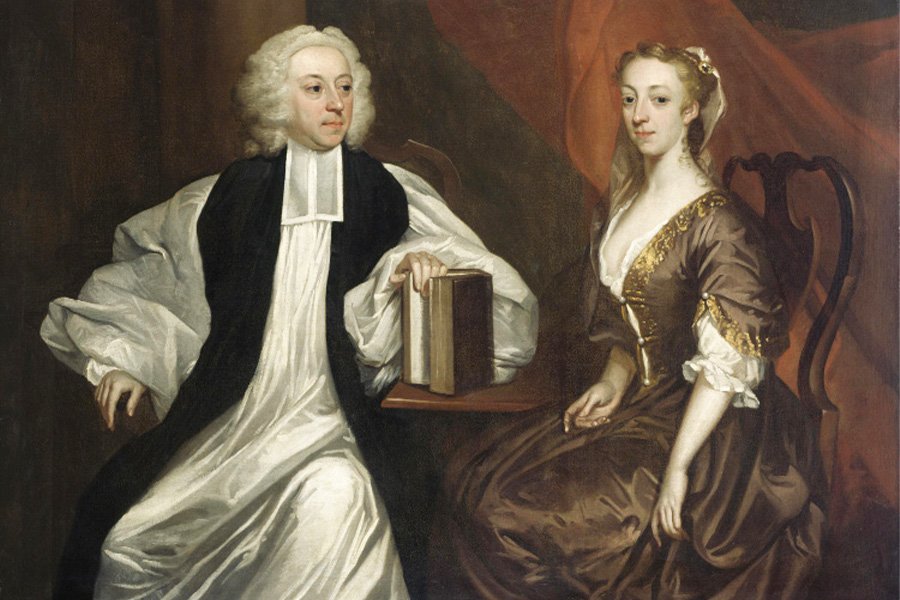
Ireland had a ready supply of painters to satisfy local patrons. Some came east to further their careers but many stayed in Ireland. This Talk will look at William Latham, Nathaniel Hone, Hugh Douglas Hamilton, William Ashford, Thomas Roberts and Francis Wheatley.
Lecture 8
Moving to India
Lavenham Village Hall on Monday, 27 January at 11am
Ipswich County Library on Monday, 27 January at 2.30pm
Friends’ Meeting House, Great Bardfield on Tuesday, 28 January at 10.30 am
Baptist Chapel, Saffron Walden on Tuesday, 28 January at 2.30pm
Church Hall, Aldeburgh on Friday, 7 February at 10.45am
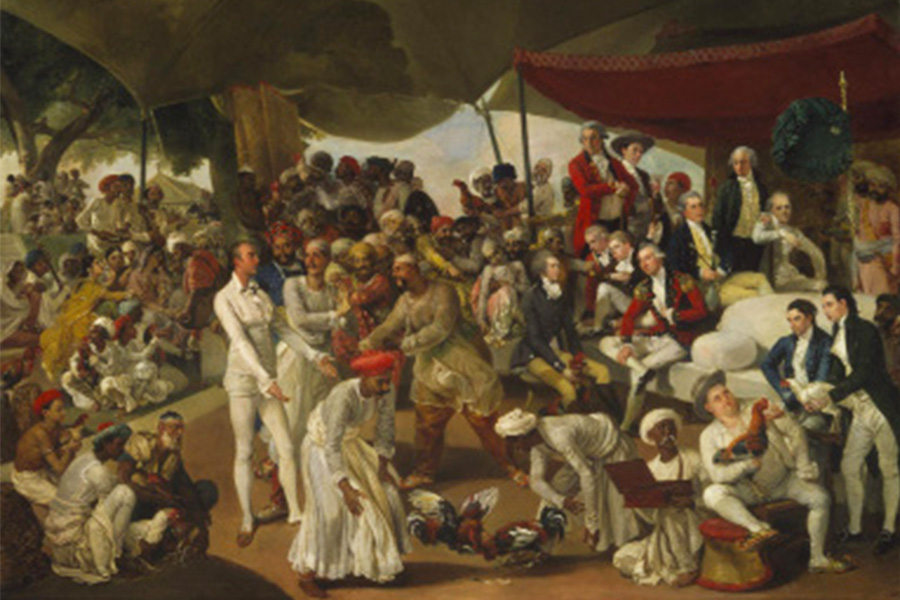
At some point artists such as Johan Zoffany, Thomas Hickey, Arthur William Devis and the miniaturist John Smart travelled to India to advance their careers and meet the expectations of the Anglo-Indian community. Many showed western families with natives in conversation pieces while others showed an admiration for the exotic.
Lecture 9
The Theatrical Portrait
Lavenham Village Hall on Monday, 3 February at 11am
Ipswich County Library on Monday, 3 February at 2.30pm
Friends’ Meeting House, Great Bardfield on Tuesday, 4 February at 10.30 am
Baptist Chapel, Saffron Walden on Tuesday, 4 February at 2.30pm
Church Hall, Aldeburgh on Friday, 14 February at 10.45am
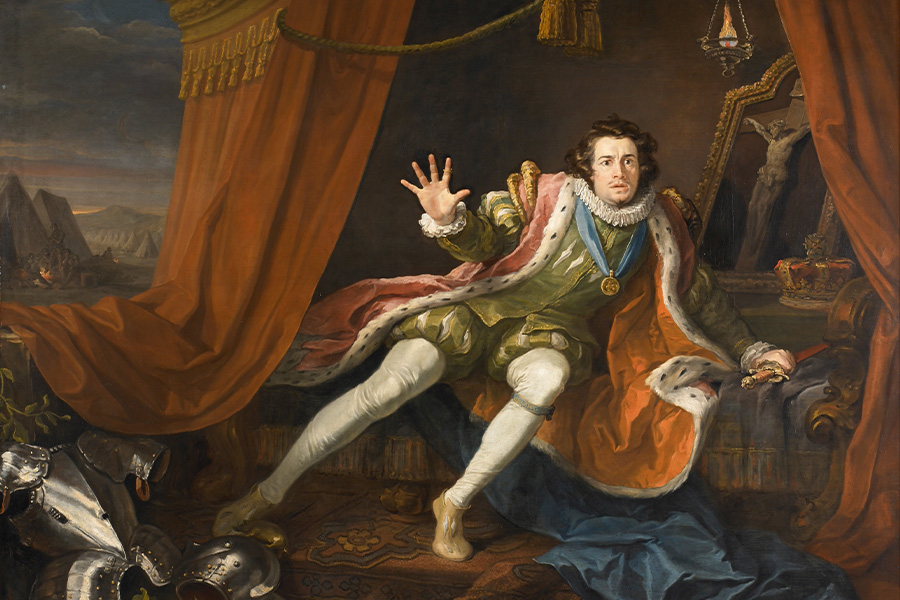
The popularity of the theatre in the eighteenth century and the fame of many actors were recorded in views of stage productions and portraits of actors in their most famous roles. They were frequently used as illustrations in monthly theatrical journals to increase the fame of their subjects.
Lecture 10
Sculpture
Lavenham Village Hall on Monday, 17 February at 11am
Ipswich County Library on Monday, 17 February at 2.30pm
Friends’ Meeting House, Great Bardfield on Tuesday, 18 February at 10.30 am
Baptist Chapel, Saffron Walden on Tuesday, 18 February at 2.30pm
Church Hall, Aldeburgh on Friday, 21 February at 10.45am
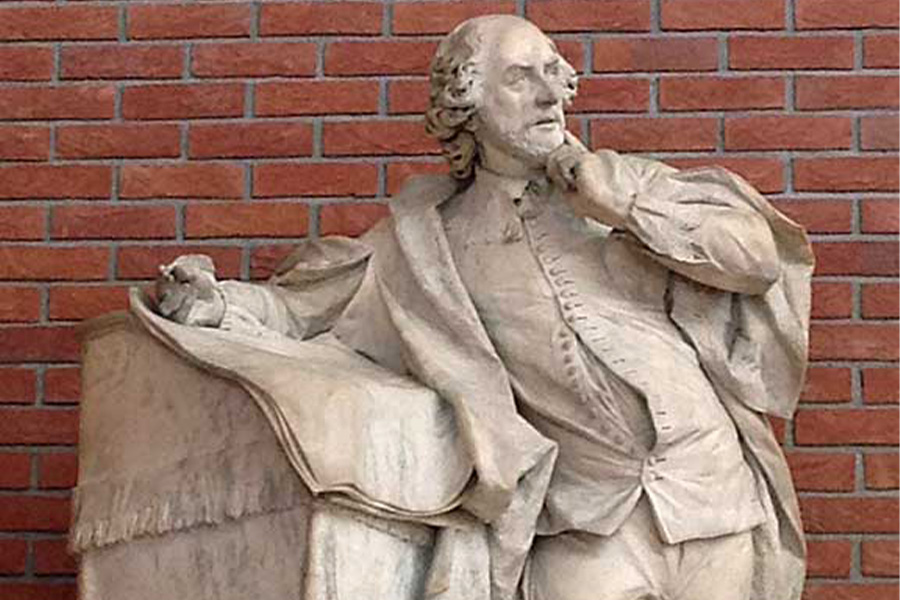
Two sculptors from the Low Countries developed the sculptured bust in Britain during the middle years of the century. Louis-François Roubilliac and Joseph Nollekens, whose father had emigrated from Antwerp, developed the form. Famed for their portrait busts, they also sculpted full-size works for institutions and commemorative monuments.
Lecture 11
Sporting Art
Lavenham Village Hall on Monday, 24 February at 11am
Ipswich County Library on Monday, 24 February at 2.30pm
Friends’ Meeting House, Great Bardfield on Tuesday, 25 February at 10.30 am
Baptist Chapel, Saffron Walden on Tuesday, 25 February at 2.30pm
Church Hall, Aldeburgh on Friday, 28 February at 10.45am
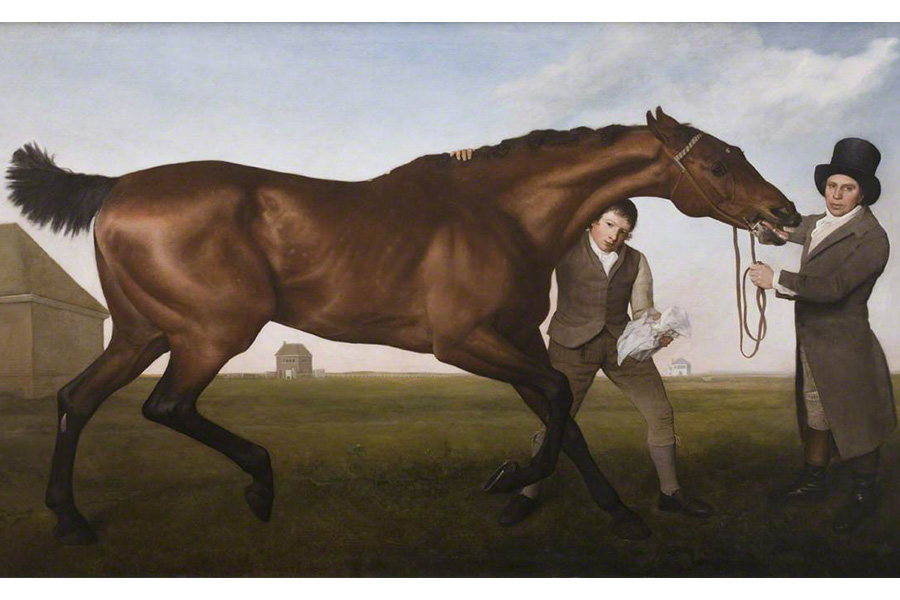
Horses were of great importance. They provided the means of transport, they were the sport of kings, they supplied military might and they were celebrated in art and in architecture. Early in the century John Wootton recorded the appearance of the first thoroughbreds and the genre had an injection of anatomical accuracy with the brilliant work of George Stubbs.
Lecture 12
Selling to a wider market: the print
Lavenham Village Hall on Monday, 3 March at 11am
Ipswich County Library on Monday, 3 March at 2.30pm
Friends’ Meeting House, Great Bardfield on Tuesday, 4 March at 10.30 am
Baptist Chapel, Saffron Walden on Tuesday, 4 March at 2.30pm
Church Hall, Aldeburgh on Friday, 7 March at 10.45am
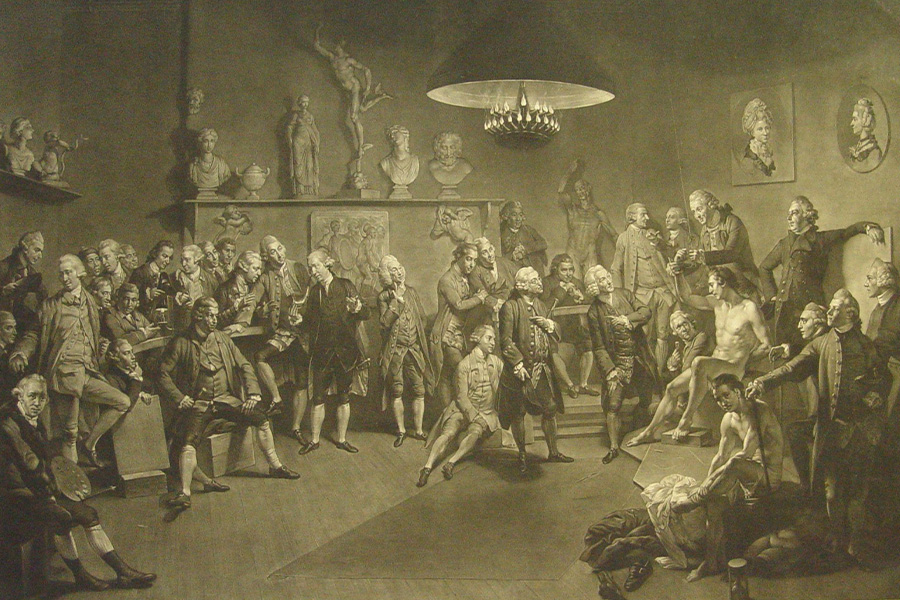
Prints provided material for the bargain basement of the art world. Mezzotints were frequently made in order to popularise an image and, if it was a portrait, the sitter. Similarly, etched cartoons and caricatures highlighted social observations and the political wrangles of the day, into a stark and critical perspective.