
The Renaissance in Italy:
from Venice to Mantua
In 1871 Italy was unified. For centuries before the peninsular comprised a number of city states all of which vied with one another. . Last year I lectured about one of these states, Florence, and this year I will continue the examination with some more. Venice forms a splendid contrast to Florence. By the middle age trade had made the city extremely rich and by the 15th century a number of gifted painters were commissioned to fill its churches and civic buildings with oil paintings. Given its damp climate Venice fresco painting was unsuitable and canvas was the preferred support for oil paintings. The technique revealed an extra subtlety and variety of handling which would set the tone for artists working in the future. A mushrooming of talent is shown in works by Bellini, Titian, Tintoretto and Veronese. Later in the series we will study the artistic achievements of central Italy. Architects, such as Alberti and Bramante, and painters including Mantegna, Tura and Piero della Francesca.
The final lecture in this series, a swansong to all the talks I have offered for over twenty-four years, will examine a single masterpiece by Thomas Gainsborough, and serve to celebrate the tricentenary of the artist’s birth.
Lecture 1
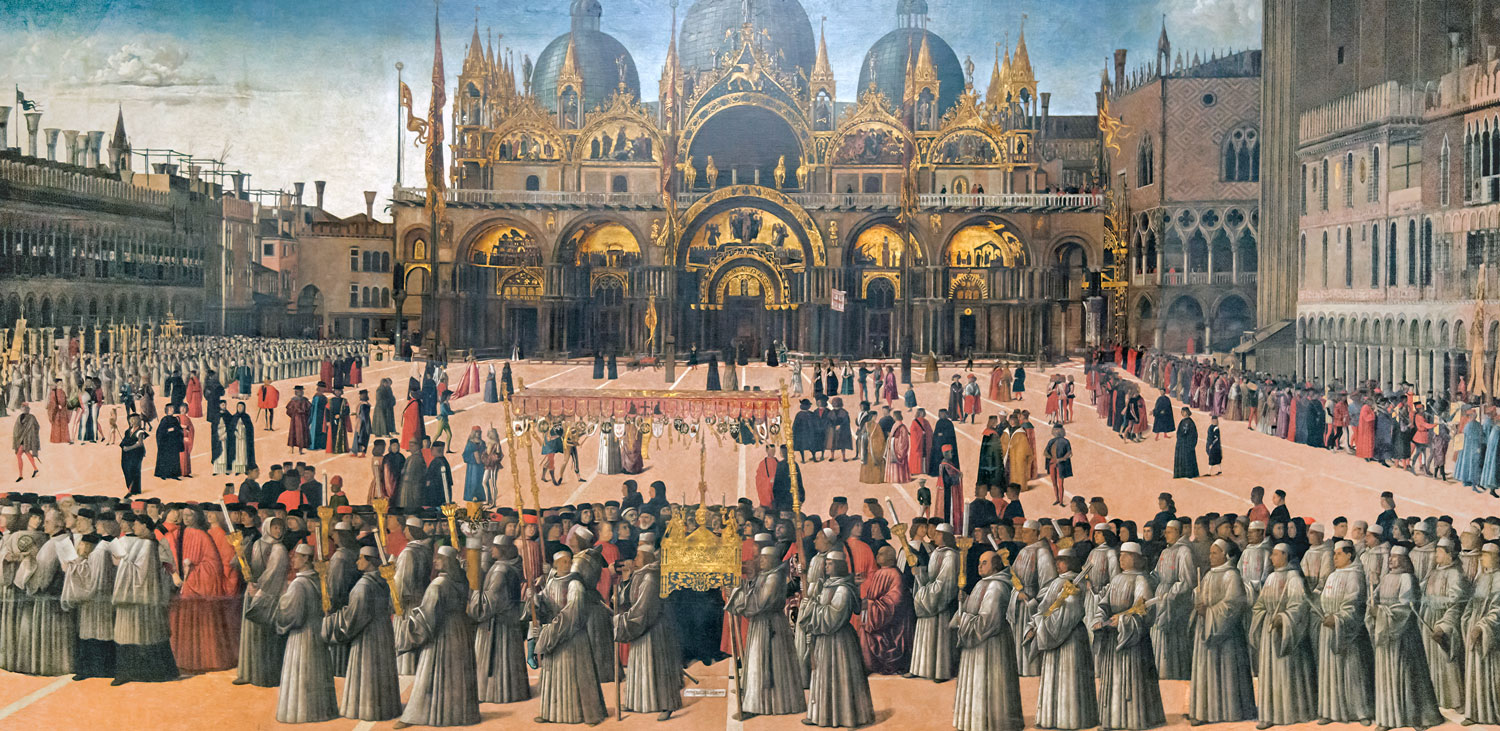
The historical background of Venice and the Vivarini family
From about 1200 Venice became the pre-eminent trading city in the Mediterranean. It looked towards the east trading in spices, silk and grain and had strong links with Constantinople. To secure its status it used a mercenary army to suppress piracy along the Dalmatian coast. It was governed by an elected Doge and a ‘cabinet’ of ten Venetian aristocrats. It was perhaps the first democratic state. The city began to decline in the 15th century leaving a legacy of exceptional medieval buildings filled with grandiose paintings. In the same century Antonio, Bartolomeo and Alvise Vivarini provided decorative religious paintings for many of the churches in Venice and its surroundings.
Lecture 2
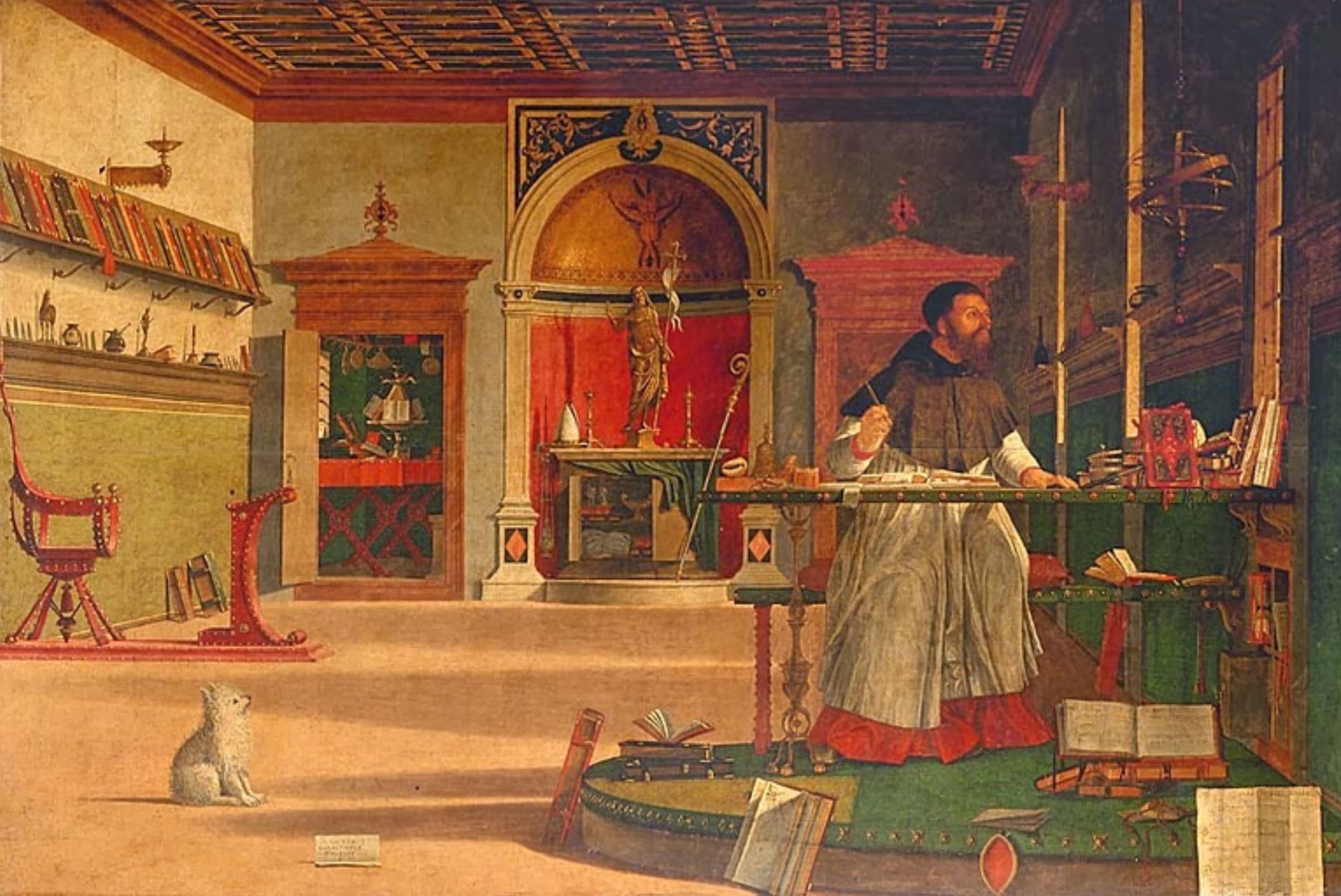
Vittore Carpaccio
Influenced by the work of Gentile Bellini, Carpaccio’s work is characterised by a strength of composition, a clarity of detail, which is both humorous and varied. He painted several series of canvases that illustrate the lives of different saints for confraternities in Venice together with altarpieces for churches both in the city and along the Adriatic coast.
Lecture 3
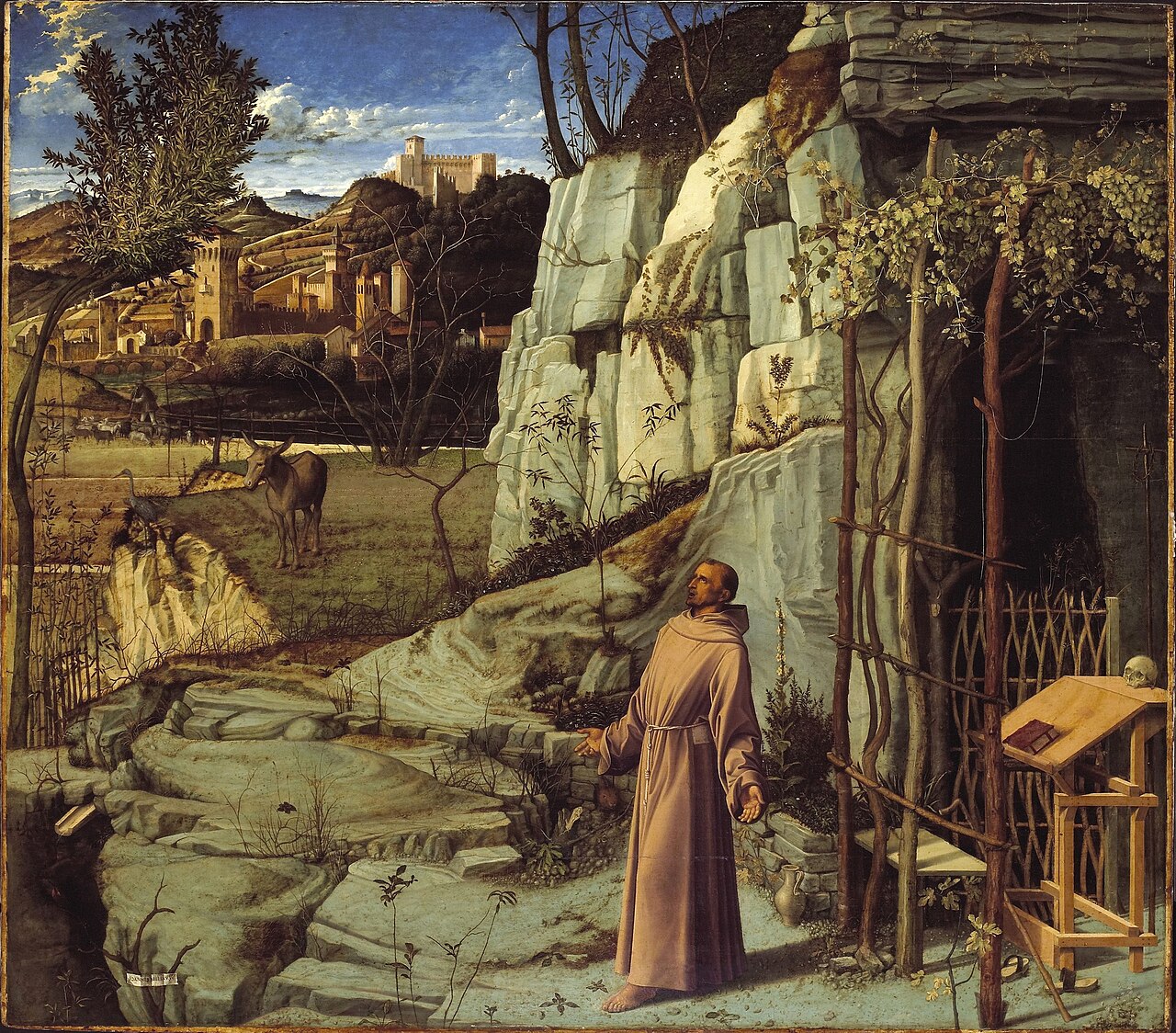
Giovanni Bellini
Bellini’s earliest works are in tempera but, with the influence of Antonello da Messina and Albrecht Dürer’s visit to Venice in 1506, he began to use oil paint. The change enabled him to paint with more subtlety, producing delicate shading and brilliant colour. He taught both Giorgione and Titian.
Lecture 4
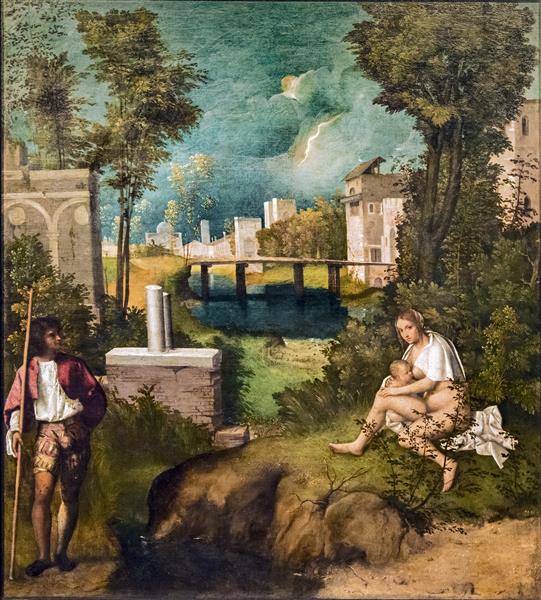
Giorgione and Sebastiano del Piombo
Giorgione was born in Castelfranco and settled in Venice early in his career. His work is rare and enigmatic and there has been much debate about the number of works that can be convincingly attributed to him. He died of the plague in his thirties. Sebastiano del Piombo started his career in Venice as a lutenist before he entered Bellini’s studio. His work shows the influence of both Bellini and the Florentine painter Fra Bartolomeo, who visited Venice in 1508. In 1511 he moved to Rome and worked in the Vatican with Raphael and Michelangelo.
Lecture 5
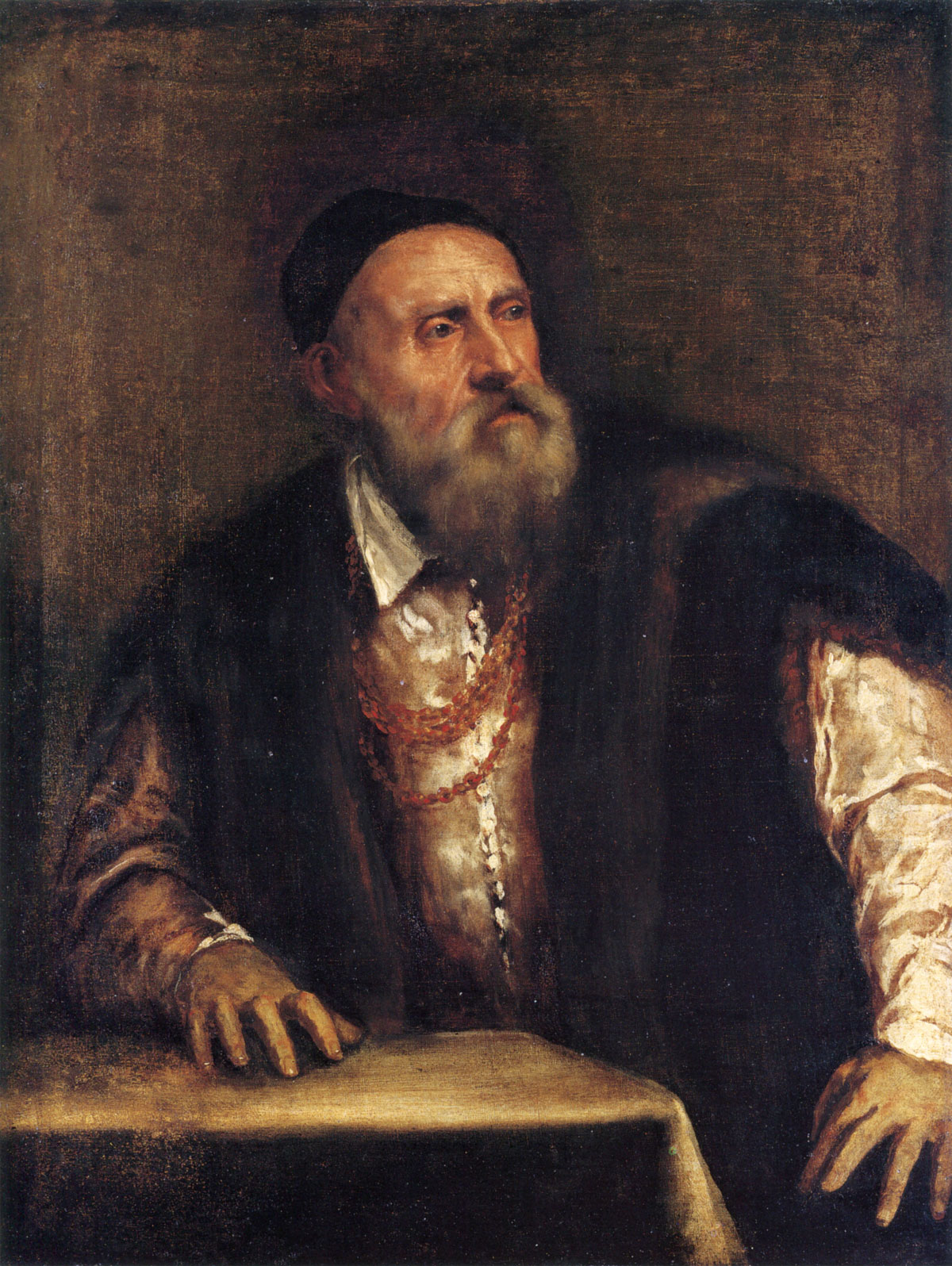
Titian
Born at Pieve di Cadore, eighty miles north of Venice, he came to Venice in his teens. His subject matter is more varied than his contemporaries and his delight in the application of oil paint develops over his long career. His reputation was based on his portraits and religious subjects and, as his fame spread, he was receiving commissions from the Habsburgs and from the Papacy. The influence of his dazzling colour and technical mastery was pan-European.
Lecture 6
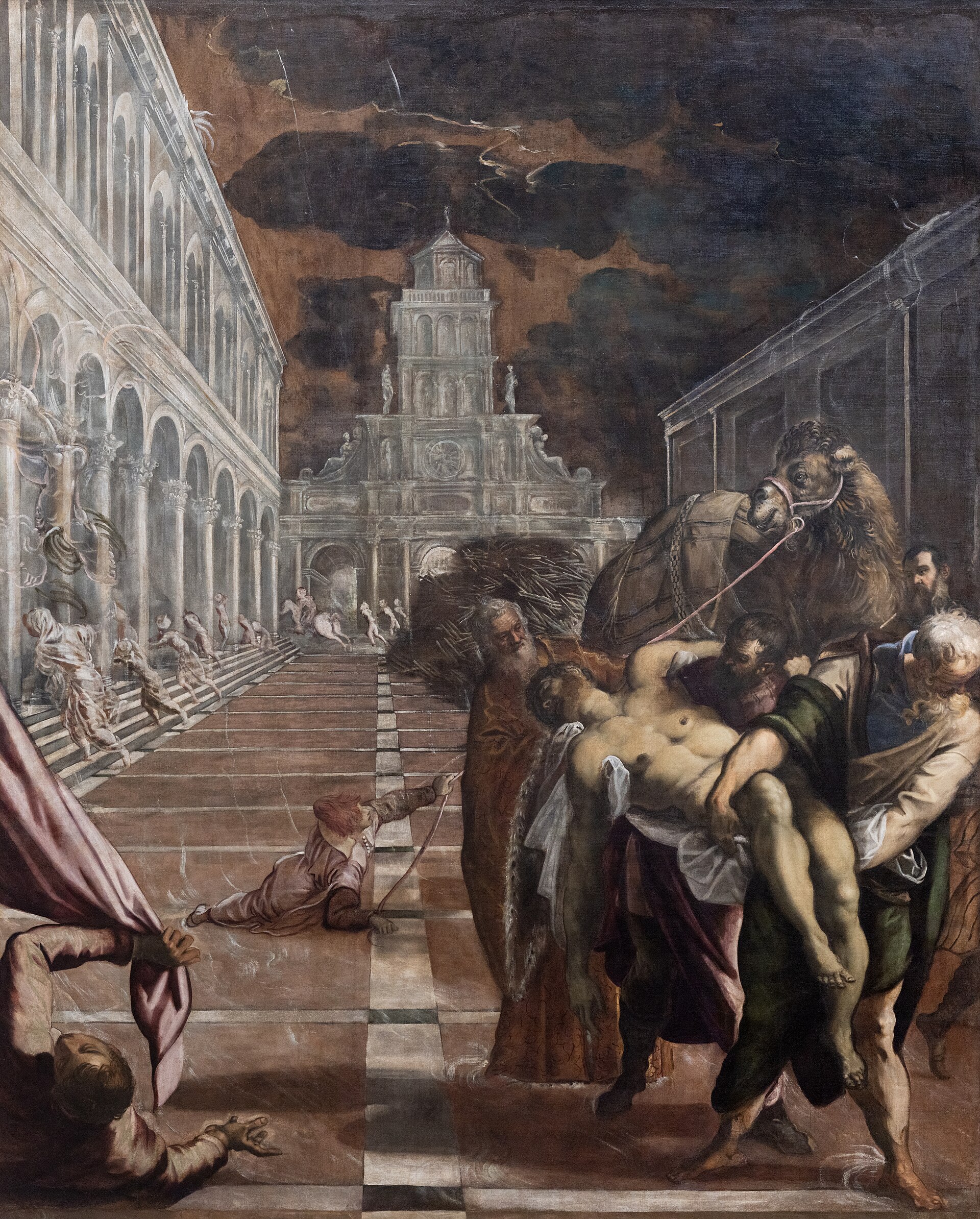
Tintoretto
Tintoretto painted huge canvases at speed. He used an almost abstract technique, using complex perspectives and extraordinary lighting effects. The churches of Venice and famously the Scuola di San Marco are filled with his paintings. His largest painting is the enormous Il Paradiso in the Doge’s Palace which he began in 1588.
Lecture 7
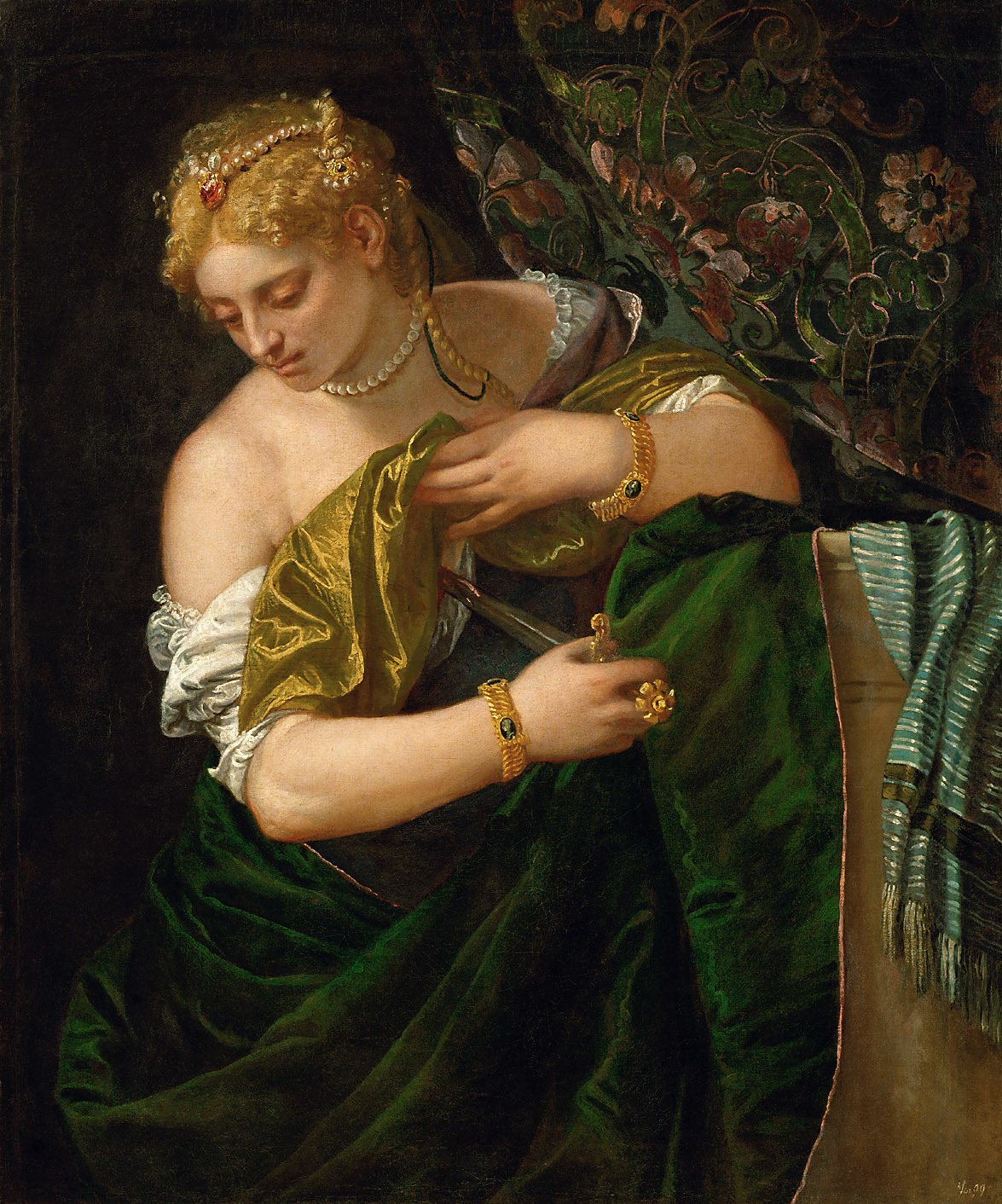
Paolo Veronese
Born in Verona, Veronese moved to Venice in about 1550 where his talent for producing large compositions was quickly recognised for its vibrant colour and the grandeur of its compositions. He is perhaps best known for the for painting crowded canvases set in imaginary classical architectural settings.
Lecture 8
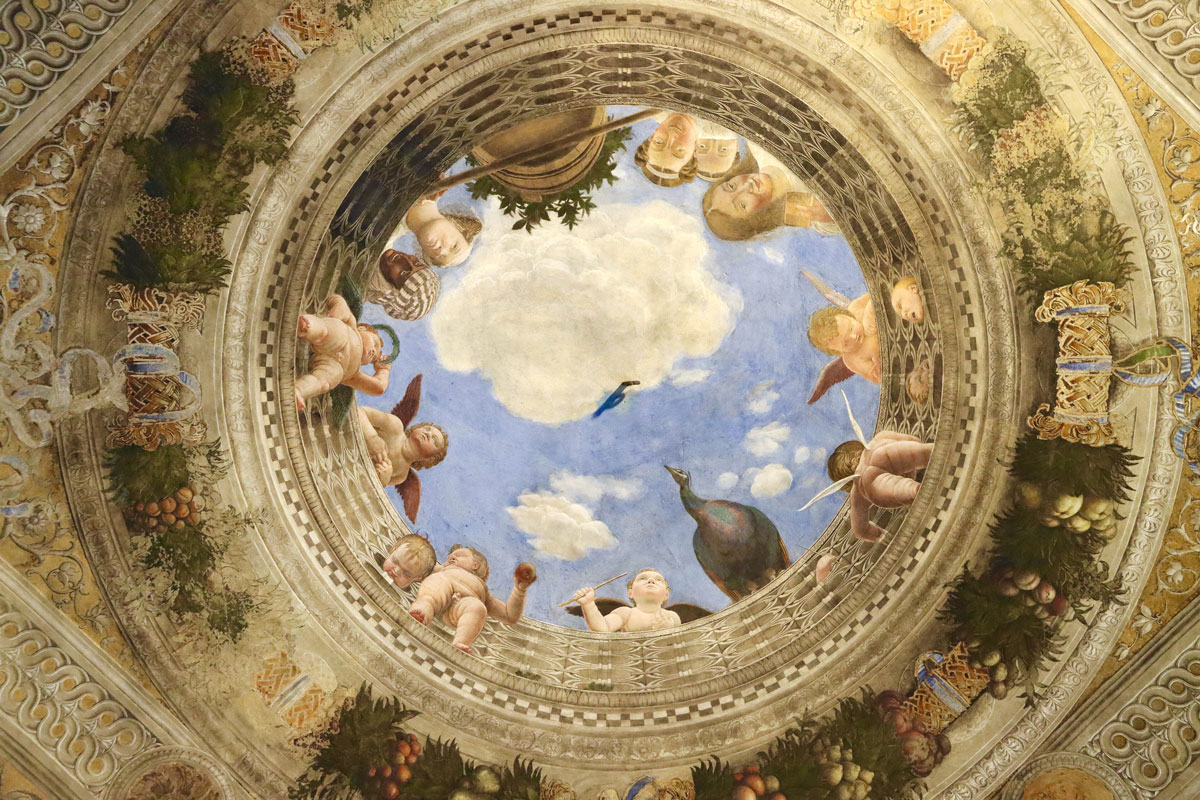
Mantua and the Gonzaga family
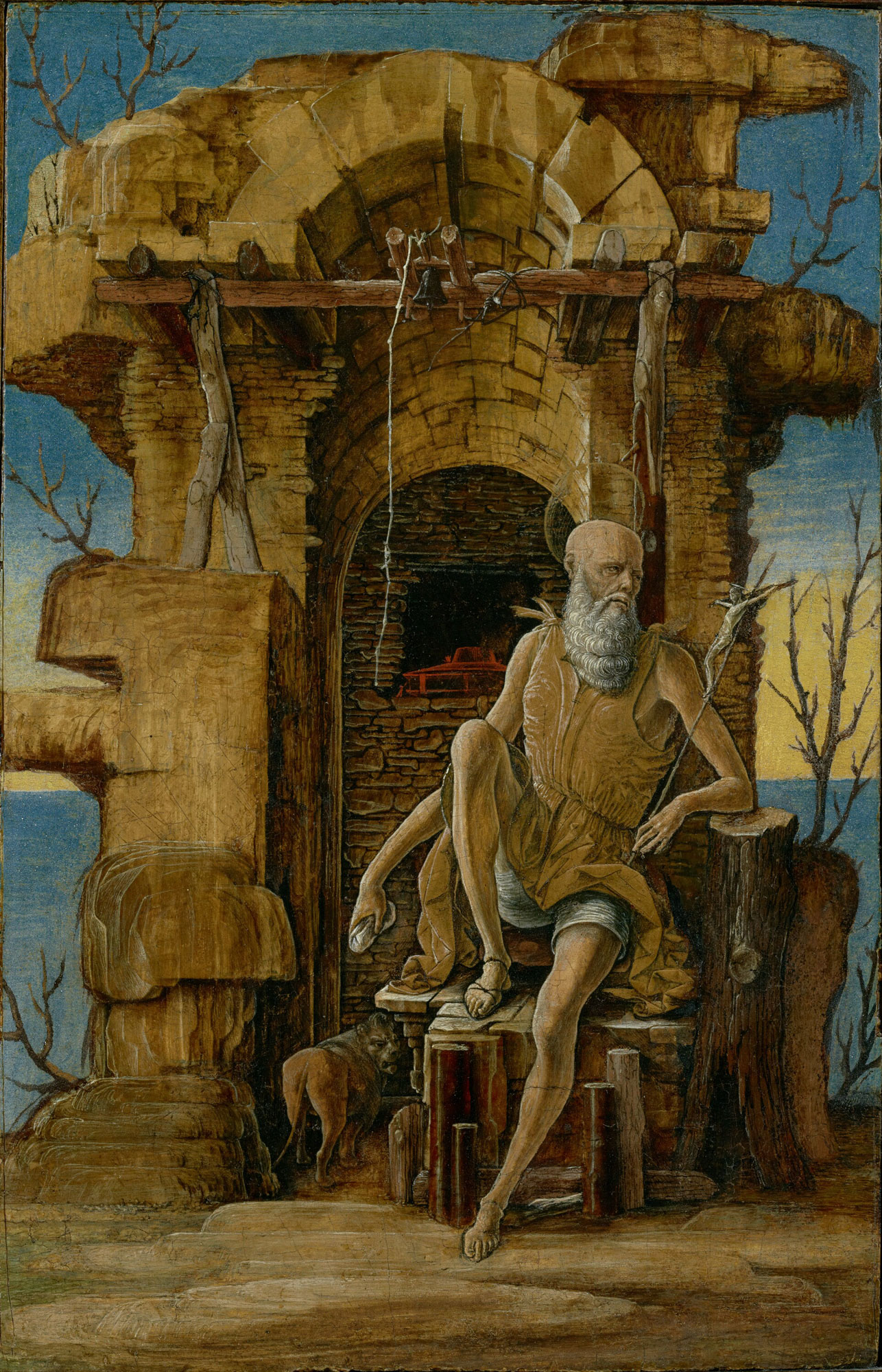
Ludovico III Gonzaga built the church of S. Andrea to the classical designs Leon Battista Alberti and commissioned Andrea Mantegna to decorate a suite of rooms in the Palazzo Ducale. The mannerist Palazzo del Te, designed and decorated by Giulio Romano on the outskirts of the city, was used for relaxation.
Lecture 9
Ferrara and the Este family
Ferrarese artists, such as Ercole de’ Roberti, Cosmé Tura and Dosso Dossi, use eccentric colouring and dramatic compositions to great effect. One of the most important series of frescos in the Palazzo Schifanoia in the city which are now attributed to di’ Roberti and Francesco del Costa, was used for entertainments,.
Lecture 10
Lorenzo Lotto
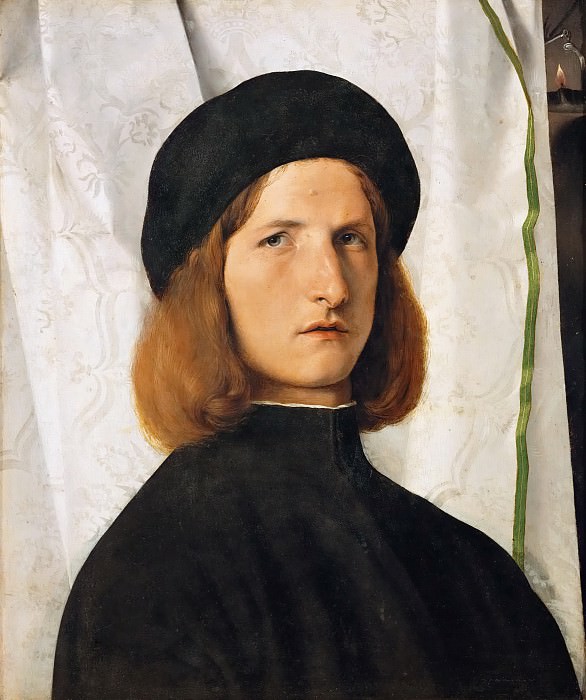
Often described as a Venetian artist, Lotto’s commissions are centred around Ancona and Bergamo. His work is unusual, even eccentric, with distinctive compositions and he uses unusual interpretations of subject matter, vivid colours and lively characterisations. He painted altarpieces and portraits that are amongst the finest likenesses of the Italian Renaissance.
Lecture 11
Piero della Francesco
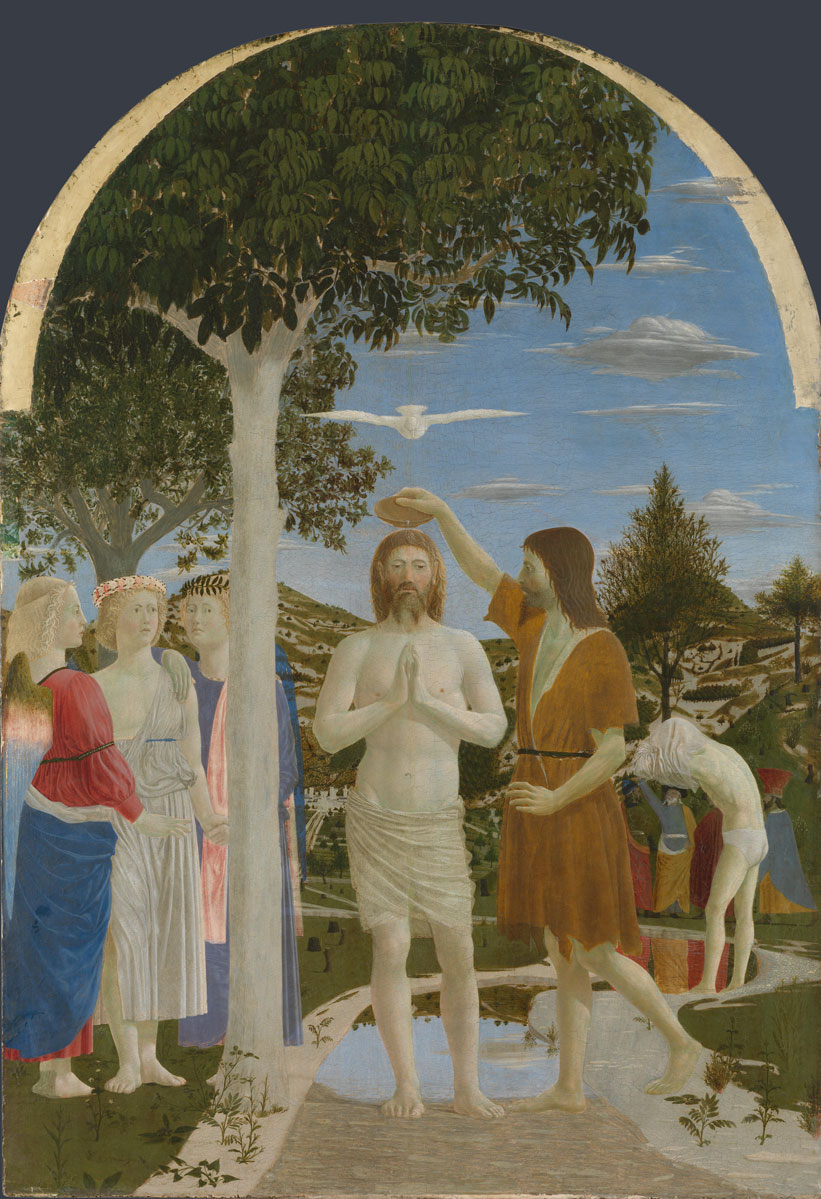
Piero was a mathematician and geometrician as well as a painter. His distinctive compositions give his frescoes and panel paintings a disarming strength and beauty. His enigmatic subject matter has been the subject of much debate.
Lecture 12
Thomas Gainsborough’s most famous painting
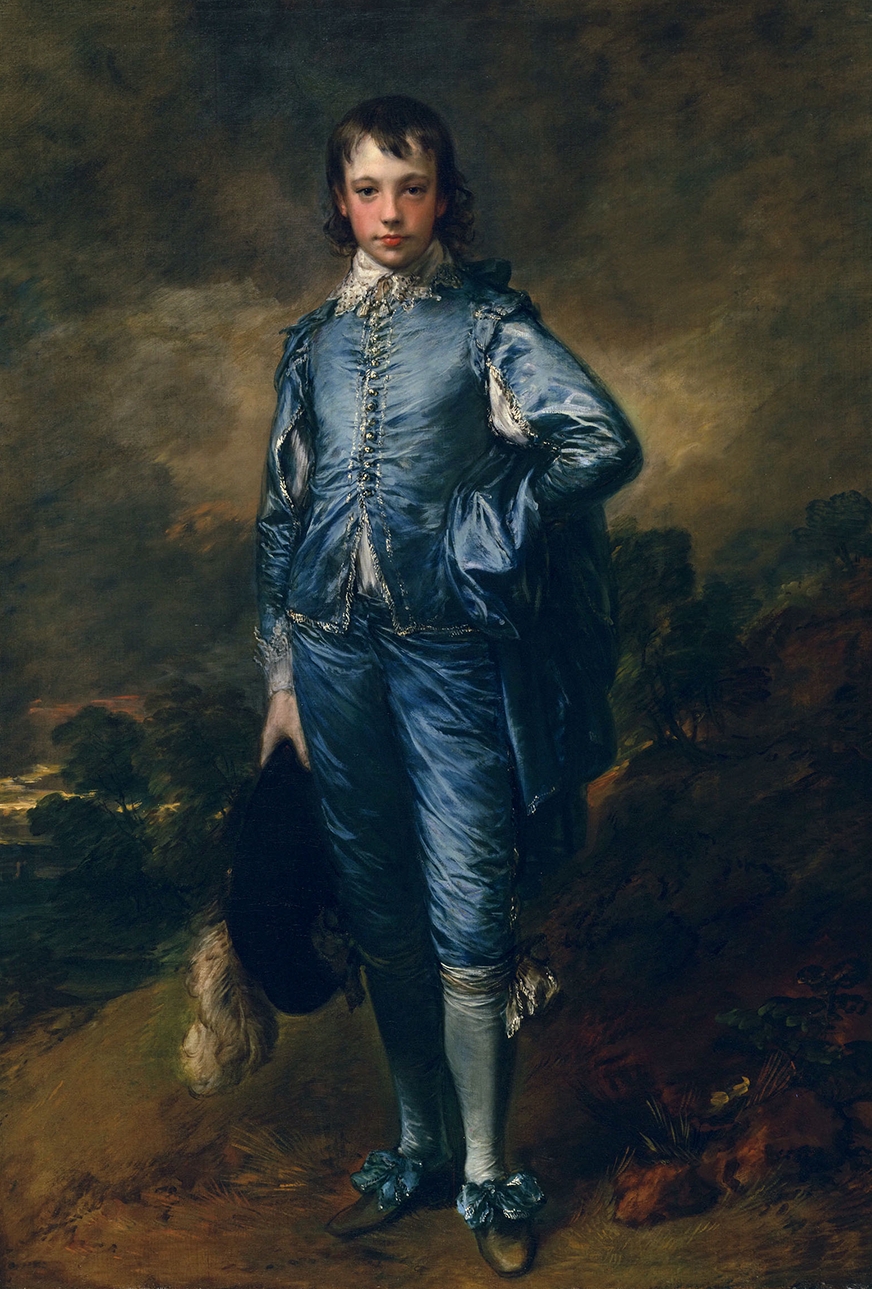
In 1770 Gainsborough exhibited a portrait of a youth that eventually became known as The Blue Boy. It remained in aristocratic collections until it was sold to Henry Edwards Huntington in 1921 for a world record price. Since then it has only been lent once to the National Gallery in London and that was to mark the centenary of its acquisition by the Huntington Art Collections and Biotanical Gardens.